

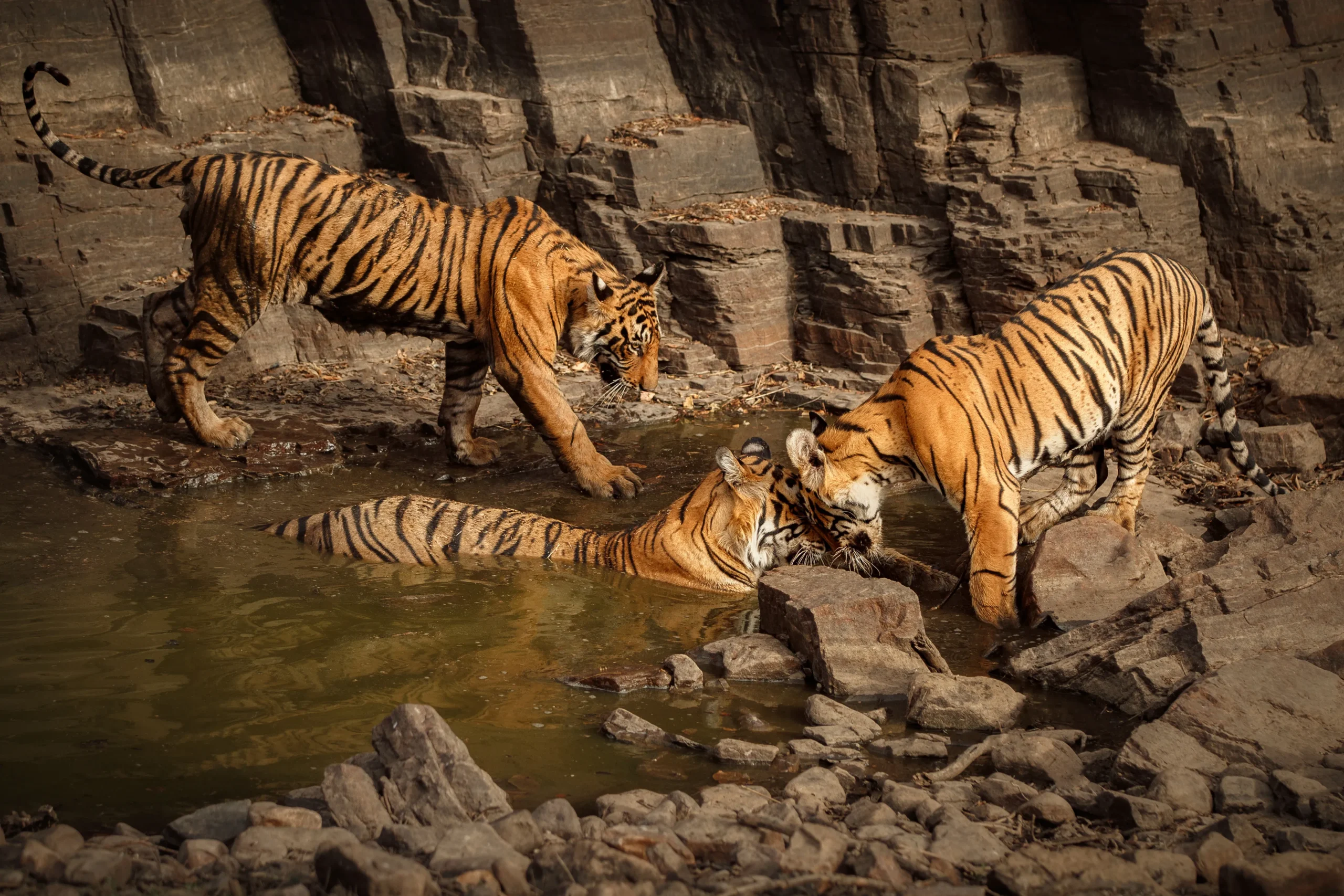
Forests constitute some of the most significant ecosystems in the planet, which shelter and feed millions of species. Since large trees to tiny things on the soil, all elements of a forest ecosystem help to sustain a wildlife and maintain a balance of environmental systems on earth.
Forests perform one of the main functions of providing natural habitats. Animals rely on trees, plants and forest floors as protection and food. Most of the landscapes in the forest are inhabited by birds nesting in branches, mammals in their dens, and insects in the bark, leaves, and underground tunnels.
Forests too contribute significantly in the regulation of climatic situations. The trees take carbon dioxide in the atmosphere and give back oxygen as a result of photosynthesis. This is a natural process which contributes to the reduction of green house gases and preserving of breathable air to both humans and animals, thus forests play a crucial role in protecting the environment.
The other contribution of forests, which is highly needed, is the biodiversity. Thousands of interacting animal and plant species are supported by healthy forests. Pollinators such as the bees and butterflies aid vegetation in multiplication, whereas the predators such as the fox and the owl assist in controlling the numbers of smaller animals, creating a balanced ecology.
Another important role of forests is water conservation. The rainfall is absorbed by tree roots and ensures that the soil is not eroded and the ground water is not lost. Forest ecosystems are also known to moderate river systems and lessen the effect of floods as well as safeguard the home to wildlife and the human communities living close to forests.
Sadly, the many forest ecosystems are endangered with deforestation and urban development. During the destruction of forests, the wildlife is deprived of habitats, and food. Animals will be driven to settle in new unfriendly environments where chances of starvation, conflict and population reduction are high.
Conservation of forests involves collaboration between the governments, environmental and local communities. Green forestry rules, animal protection legislation and reforestation initiatives assist in renovating the destroyed ecosystems and safeguard the natural habitats of the next generation wildlife.
When the issue of the significance of forests is understood, it promotes sound environmental practices. Through conservation efforts and preservation of natural landscapes, individuals act to preserve biodiversity and make sure that the wildlife ecosystems are healthy, balanced and sustainable on earth. physical exertion, the mind requires predictable intervals of relaxation. Without these intervals, stress accumulates silently over time.
One major benefit of recreational rhythm is emotional stability. Regular breaks allow the nervous system to reset, preventing excessive stress responses. This consistency maintains a steady emotional baseline and reduces vulnerability to mood fluctuations.
Recreational rhythm also enhances productivity. Continuous work without recovery decreases efficiency and increases errors. Short, scheduled recreational intervals restore concentration and improve cognitive performance.
Another important aspect is the prevention of emotional overload. By releasing tension regularly, individuals avoid the buildup of unresolved stress that leads to burnout symptoms such as fatigue, irritability, and loss of motivation.
Social recreational rhythm further supports emotional resilience. Regular shared leisure activities strengthen relationships and provide emotional support systems that buffer stress.
Mental recreation awareness highlights flexibility within recreational rhythm. The goal is not rigid scheduling but sustainable balance that adapts to changing needs.
Ultimately, establishing a recreational rhythm transforms relaxation into a proactive strategy for long-term well-being. Consistent, intentional recreation safeguards emotional energy and prevents burnout effectively.ical well-being.